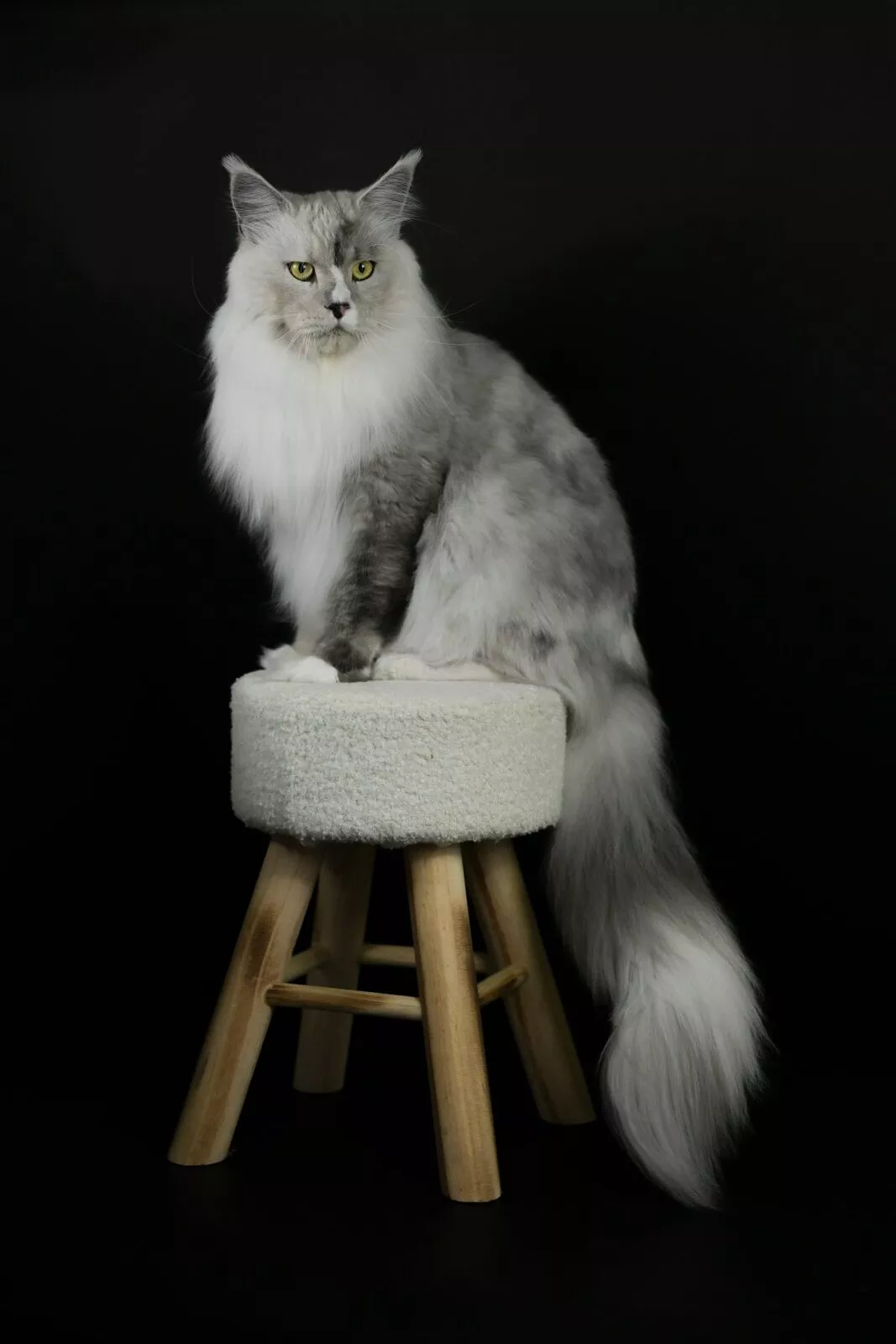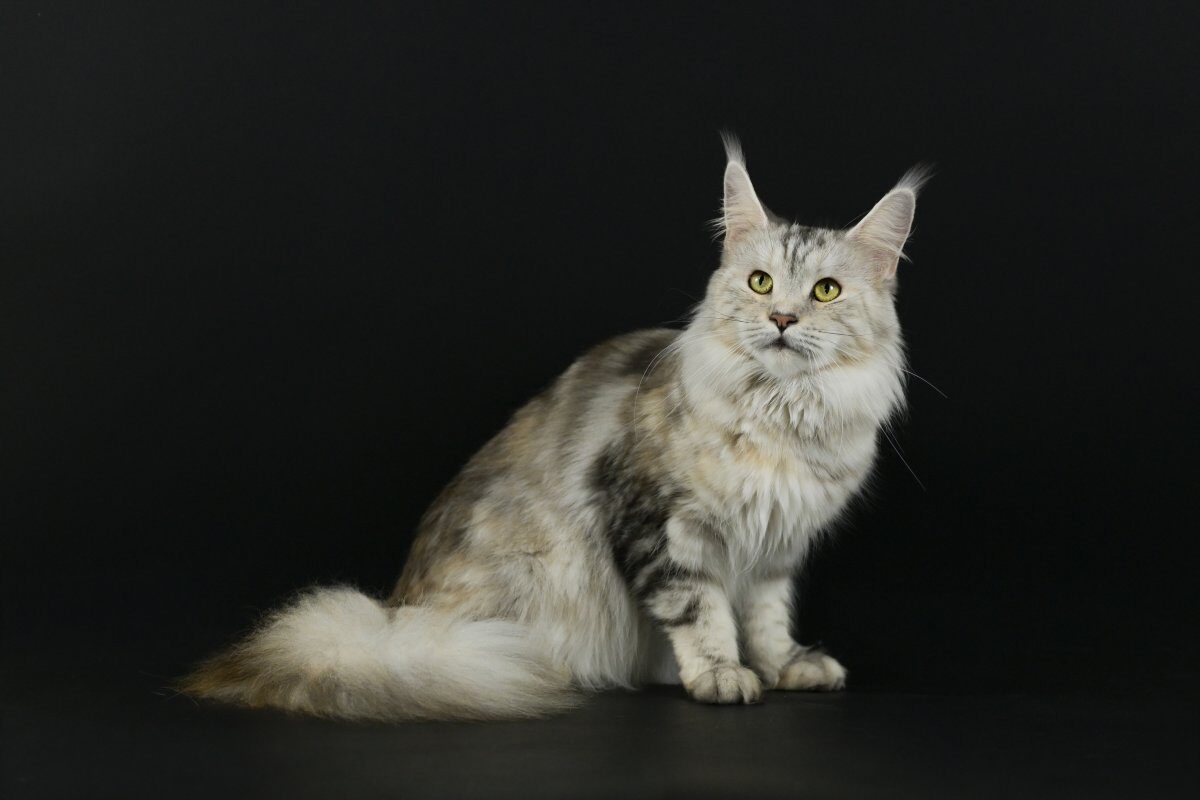
The Maine Coon impresses with its size, but its charm comes above all from its balance: present without being intrusive, playful without being constantly agitated, it likes to participate in the life of the house.
A sociable character, never automatic
The breed is often described as close to human. This trend, however, does not replace either socialization or respect for individual character. A kitten gently accustomed to everyday noises, handling and different people builds good benchmarks. Once an adult, he may enjoy following his family from room to room while maintaining moments of tranquility.
Think in three dimensions
A large cat needs stable equipment: solid cat tree, scratching posts high enough to stretch out, generous beds and a suitable transport box. Heights, observation posts and hiding places are as important as floor space. A balcony or garden must be secured before any exit.
Play, fur and routine
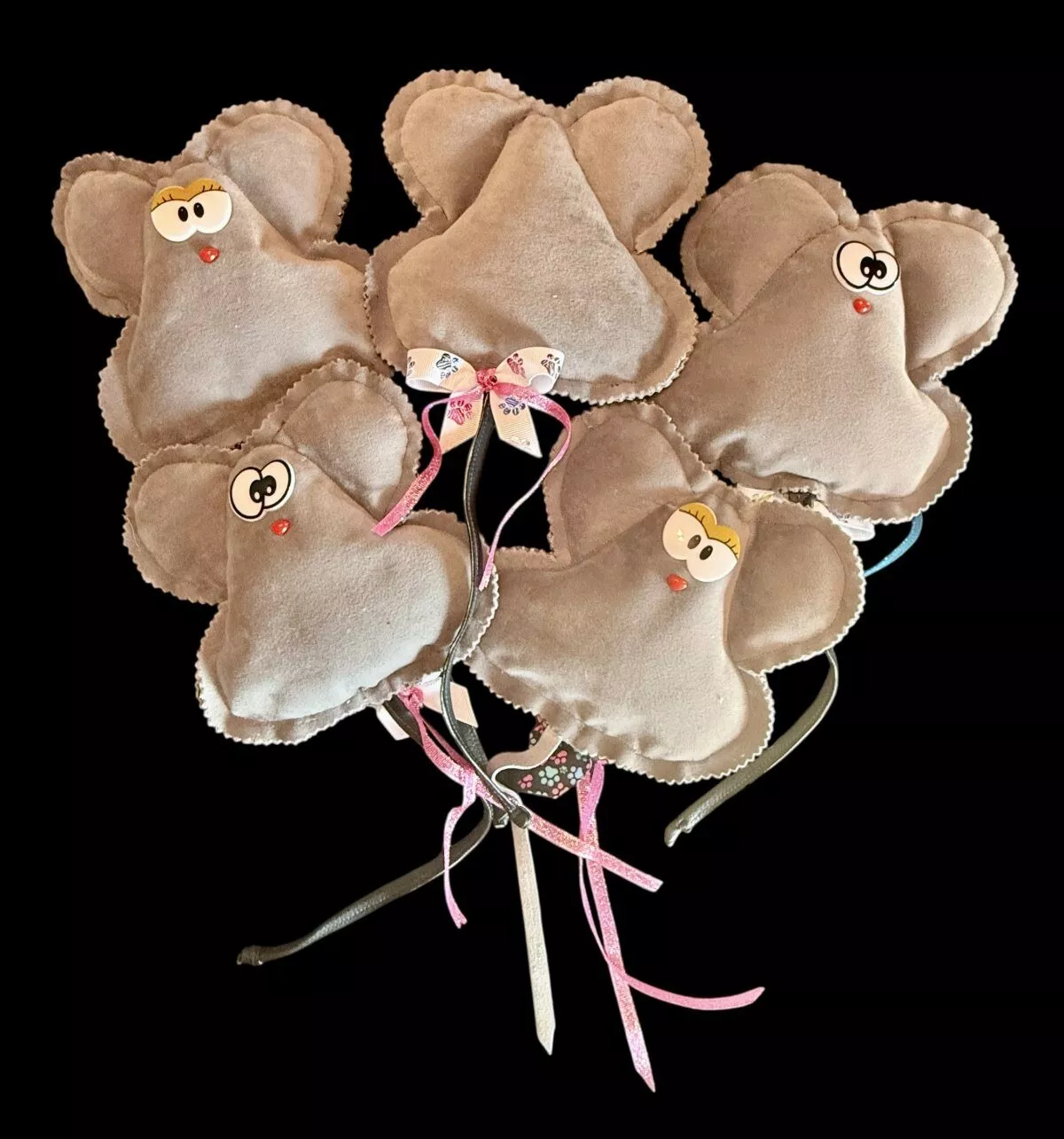
A few short play sessions each day maintain the body and curiosity. Fishing rods, trails, foraging and alternating toys avoid monotony. The mid-length coat requires regular brushing, particularly under the armpits, stomach and behind the ears. It is better to start young, without forcing, with very short sessions.
- Solid resources adapted to your size
- Quiet areas where no one comes to disturb him
- Daily play and renewed items
- Regular check of claws, ears, teeth and coat
- A veterinary consultation in case of unusual changes
The Maine Coon doesn't need a perfect home. He needs a consistent, safe and lively environment, in which his habits are respected.
Useful sources
To go further, here are the official or veterinary references used to verify the general points of this guide.
Updated 24 August 2026 · Maillard'Coon / Pretty Lynx, Courtételle (Jura, Switzerland)