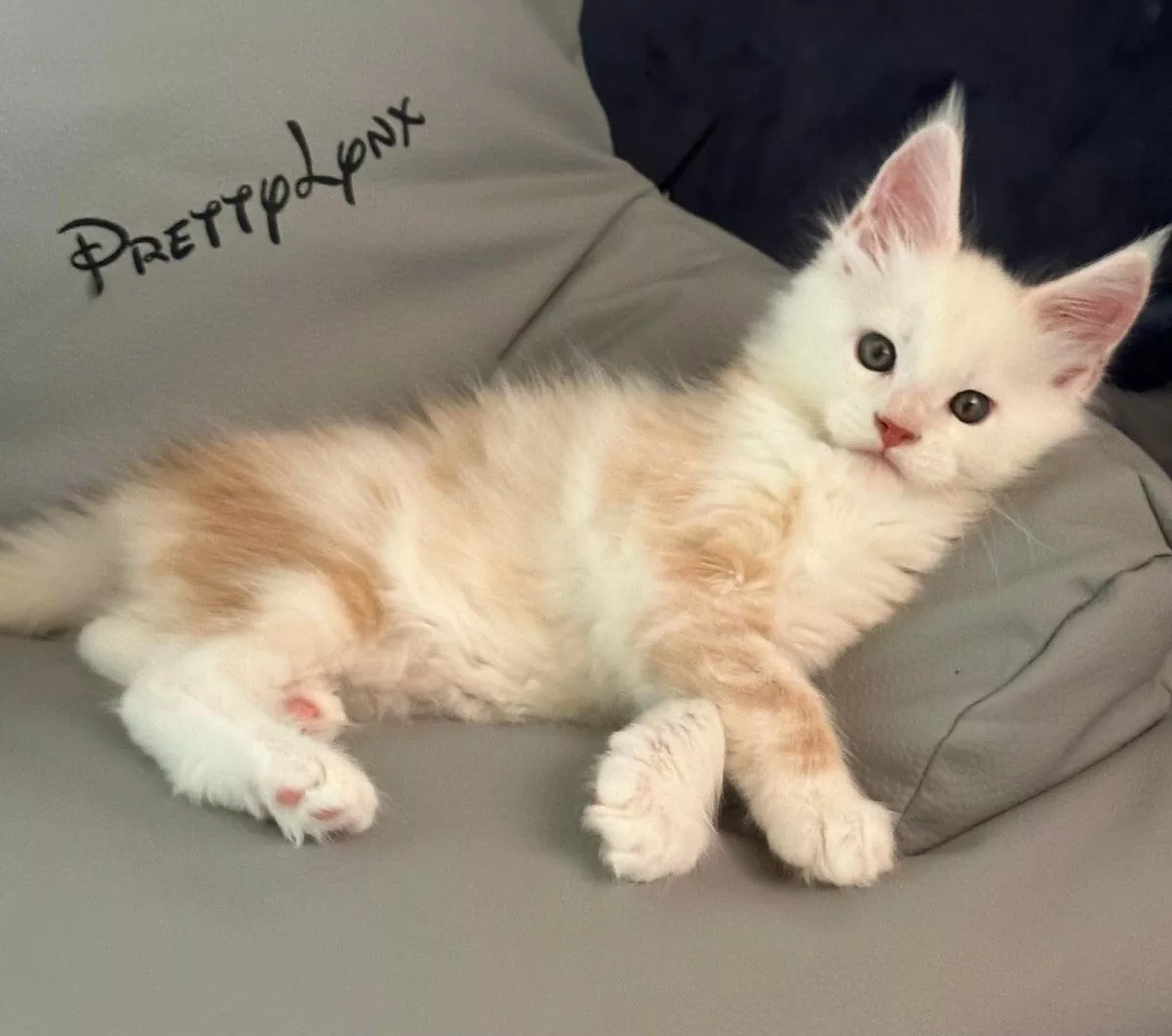
A kitten grows quickly and its needs are not those of an adult. However, a Maine Coon does not need complicated recipes: it needs complete food adapted to its growth, fresh water and regular monitoring of its body condition.
Avoid sudden change
For the first few days, keep the feed given to the breeding stock. The move already represents a significant change. If you want to change his diet, make a gradual transition over several days and observe bowel movements, appetite and behavior. Persistent diarrhea, repeated vomiting or refusal to eat warrants a call to the veterinarian.
Look at the kitten, not just the package
The quantities indicated on the packaging are starting points. Age, activity, sterilization, weight and energy density of the food change the needs. Regular weighing and body shape assessment are more useful than finding a single “ideal” weight for the entire breed.
Build a good routine
- Choosing a complete food formulated for growth
- Divide the ration into several small meals
- Leave clean water in several places
- Include treats and supplements in the daily intake
- Do not supplement without veterinary indication
Bowls can also become an enrichment: licking mats, dispensing toys and small searches encourage more active food intake. The veterinarian remains the best contact if the kitten has a digestive sensitivity, unusual growth or a known illness.
Useful sources
To go further, here are the official or veterinary references used to verify the general points of this guide.
Updated 24 August 2026 · Maillard'Coon / Pretty Lynx, Courtételle (Jura, Switzerland)